Are you experiencing hair loss? If so, PRP hair restoration could be the right treatment for you to stimulate hair growth.
Blood is primarily a liquid (plasma) but also contains red blood cells, white cells, and platelets—tiny components best known for their role in blood clotting. Beyond clotting, platelets are packed with growth factors, powerful proteins that support healing and tissue regeneration.
These growth factors are key to stimulating and revitalizing aged or damaged skin, making them a cornerstone of restorative treatments like PRP hair loss treatment.
PRP (Platelet Rich Plasma) therapy is an innovative treatment that uses the healing properties of your own blood to encourage hair growth. By concentrating platelets—up to 5 to 10 times more than what’s naturally found in blood—PRP helps rejuvenate shrinking hair follicles and promote healthier, thicker hair.
How Does PRP Work?
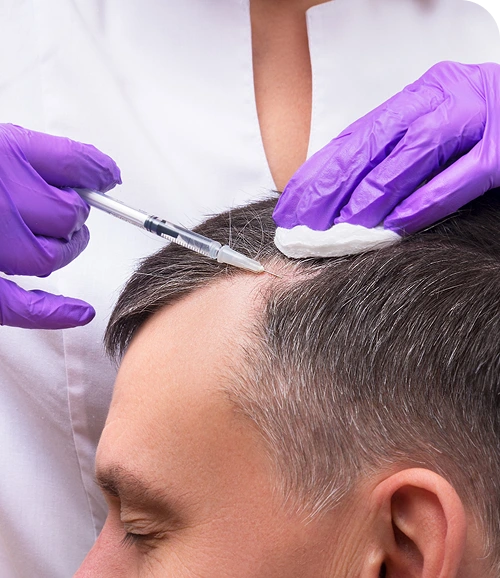
The process begins with a simple blood draw, similar to a routine lab test. The blood is then placed in a centrifuge, where platelets are separated and concentrated. These platelets, rich in growth factors, are carefully injected into targeted areas of your scalp using a fine needle. The result? Reactivated hair follicles that support stronger, denser hair growth.
Who Can Benefit from PRP Hair Treatment?
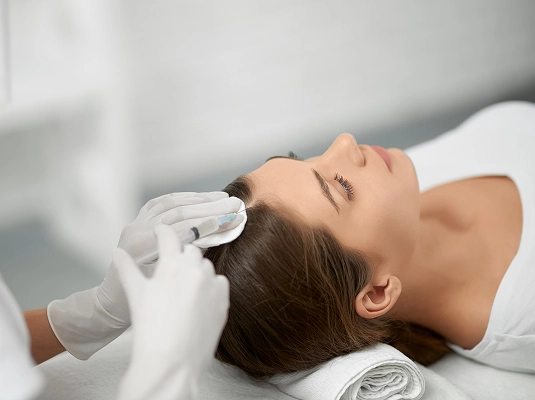
PRP therapy is suitable for anyone experiencing hair thinning or early hair loss. Whether your goal is to reverse the signs of hair loss or maintain the hair you have, PRP provides a non-surgical, natural alternative that works by stimulating dormant hair follicles.
What to Expect During Treatment
Each PRP session typically lasts 60 to 90 minutes, making it a convenient option for those with busy schedules. After the treatment, you can resume your daily activities the very next day. For the best results, we recommend a series of treatments spaced 3 to 4 months apart, with the exact number tailored to your specific hair loss needs.
PRP HAIR TREATMENT COST

Customer Reviews












I am extremely happy with my care. Highly recommend Allure and Dr. Lucy to anyone who wants to feel better and look better!!! This team is TOP NOTCH!
Best in Georgia! ✅🙌😊


Frequently Asked Questions: PRP Hair Restoration
What exactly is PRP?
PRP stands for “platelet-rich plasma.” This is part of your body’s own natural healing mechanism. It’s the same process responsible for wound healing after an injury. Along with white blood cells, it makes up the important fluid that carries nutrients and waste throughout the body.
Platelets contain several growth factors, including epidermal growth factor, which supports cell renewal and repair. When an injury occurs, platelets in your blood provide the necessary elements to heal the wound from the inside.
Platelet-rich plasma Hair Restoration Therapy uses the best concentrated plasma your blood has to offer to stimulate the rejuvenation of hair follicles (including dermal papilla cells, which are responsible for controlling the hair growth cycle) encouraging growth and increasing levels of collagen and stem cells. When injected into the scalp, it helps to increase hair count, thickness, and density.
What is the best part about PRP injections for hair regrowth?
Because PRP injections are made up of your own cells and plasma, the risk of an allergic reaction is nearly non-existent!
Is this treatment for men or for women who want to promote hair growth?
BOTH! Men and women can suffer from hair loss conditions such as androgenetic alopecia (the clinical term for male pattern baldness and female pattern hair loss); the embarrassment and stress from thinning hair and hair loss can be very intense, and can sometimes even feel debilitating.
Many successful clinical trials have been tested on both men and women ranging in age from 18 to upwards of 72 years. Hair loss is not sex or age-specific — it can be genetic, or can even just be due to high stress levels.
Clients who will get the most beneficial results from PRP are those who have just recently started to experience hair loss — the more recent the hair loss occurred, the better your chances are of regrowth. Also, for those with thinning or balding hair (but not completely bald), PRP promotes hair growth that can improve hair thickness and strengthen hair from follicles that are still functioning.
What should I do to prepare for the platelet rich plasma injections?
To prepare for your platelet-rich plasma (PRP) injections, don’t smoke or drink heavily beforehand, if at all. Please also let us know if you take blood thinners, as these can affect how your blood processes and may impact your results or increase bruising at injection sites.
Don’t use any hair products like hairspray, mousse, or gel for at least three days prior to your PRP injections, and come to the office with freshly cleansed hair.
Will I immediately see results?
Patience, patience, patience! It is important to understand that results can be slow and gradual. Since hair goes through growth cycles, results will begin to transpire after the first two or three months, and will be most noticeable around the six-month mark.
Keep in mind that individual experiences vary. That said, most patients begin to enjoy increased hair count, thickness, and density within several weeks after the treatment.
What is the downtime for platelet-rich plasma therapy for hair loss?
There’s very little to no downtime involved with this PRP treatment so you can immediately go back to your usual activities, though some patients wait a day to return to work. Post-treatment care is simple — avoid washing your hair or applying products for at least 24 hours, and skip intense exercise and direct sun exposure for a day. Following the aftercare instructions will accelerate healing.
We’ll go over all aftercare instructions with you before you leave the office.
Will I need multiple treatments for getting new hair growth?
While this does differ from client to client, generally speaking, we recommend a minimum of 3 sessions spaced 4-6 weeks apart. Depending on the degree of hair thinning or hair loss, fewer or more sessions may be recommended. After your initial series, most clients benefit from periodic maintenance treatments — typically once or twice a year — to sustain and build on their results.
How is my blood prepared before the injections?
We first start by drawing a small blood sample (like a routine blood draw). That sample is placed in a centrifuge, which is a machine that spins at a high speed. This isolates the platelet-rich plasma from the platelet-poor plasma, giving us a concentrated solution that is packed with growth factors ready to be injected into your scalp.
How is PRP different from a hair transplant?
PRP and hair transplants serve very different purposes. A hair transplant is surgical hair restoration involving physically relocating hair follicles from one area of the scalp to another. Because it’s a surgery, it requires significant downtime after the procedure.
PRP is non-surgical and works by stimulating inactive hair follicles using your own plasma.
Is PRP considered a cosmetic procedure?
Yes. PRP for hair restoration is considered in most cases to be an elective cosmetic procedure. However, it’s still performed in a clinical setting by a medical professional. You’re not in a salon; you’re in a licensed medspa with our trained staff who follow strict medical protocols, including measures that eliminate the risk of tissue-borne pathogens since your own blood is used throughout.
Is PRP painful? Are there any side effects?
Most of our patients find PRP hair treatment to be tolerable; any discomfort is local and temporary because we apply a topical numbing cream to your scalp before we begin treatment.
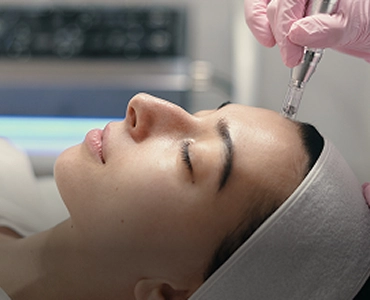
The special micro-needle we use is extremely thin, and the majority of our patients report little to no pain.
Will PRP work for everyone?
PRP can help many people, but not all patients will experience strong outcomes. Many different factors can influence hair growth from PRP, including the extent of your hair loss and overall health. At Allure Aesthetic Center, we’ll evaluate your hair loss during your appointment to determine if you’re a good candidate for PRP.