
Experiencing hair thinning or bald spots can be frustrating. PRP hair restoration offers a solution for Suwanee residents looking to stimulate hair regrowth and improve the strength and density of their hair. This non-surgical procedure uses the body’s natural healing mechanisms for effective results.
Blood consists mainly of plasma, with red blood cells, white blood cells, and platelets dispersed throughout. Platelets are most commonly associated with clotting, but they contain growth factors, vital proteins that assist in tissue repair and renewal.
These growth factors are essential for revitalizing weakened or aging hair follicles. Suwanee patients benefit from PRP hair restoration as it targets follicle health, encourages new hair growth, and promotes a thicker, healthier scalp, making it a sought-after treatment for those seeking long-term results.
Platelet Rich Plasma, commonly called PRP therapy, is a modern solution for hair restoration that harnesses your body’s regenerative capabilities. The treatment concentrates platelets in your blood, increasing the level of growth factors significantly. When applied to the scalp, PRP helps revitalize miniaturized or weakened hair follicles, resulting in improved hair thickness, density, and overall appearance.
How Does PRP Work?
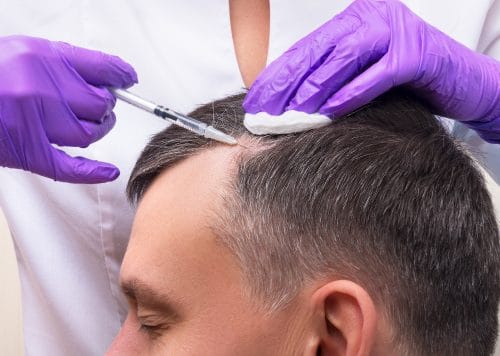
The process begins with a routine blood draw, similar to a typical lab examination. Once collected, the blood is processed in a centrifuge to isolate and concentrate the platelets, which are rich in natural growth factors. These platelets are then injected into targeted areas of the scalp using an ultra-fine needle. This process helps reawaken hair follicles, encouraging hair that is thicker, denser, and healthier than before.
Who Can Benefit from PRP Hair Restoration in Suwanee?
For anyone experiencing hair thinning or the onset of hair loss, PRP therapy offers an effective, non-surgical solution. Suwanee patients often use this treatment to maintain the hair they have while encouraging growth in areas of thinning. PRP works by activating dormant hair follicles, harnessing your body’s natural regenerative abilities to restore and preserve hair.
What to Expect During Treatment
Each PRP hair restoration session typically takes about an hour to an hour and a half, making it a manageable procedure for individuals with busy lifestyles. Most clients find that they can go back to their usual activities the following day without issue. To ensure the most effective results, a series of treatments is advised, spaced three to four months apart. The exact number of sessions is determined based on the extent of hair loss and the patient’s unique response to therapy.
PRP HAIR RESTORATION

Frequently Asked Questions
What exactly is PRP?
Platelet-rich plasma, commonly called PRP, is a component of blood that supports the body’s innate healing processes. Plasma transports vital nutrients and carries waste away from cells, while white blood cells defend against infection. Platelets are unique because they contain proteins and growth factors that instruct cells to repair and regenerate damaged tissue. Whenever your body is injured, these platelets release signals that aid in healing from the inside.
Hair Restoration Therapy with PRP takes the most potent portion of your plasma and uses it to revitalize hair follicles. The treatment helps to stimulate growth factors, increase collagen production, and activate stem cells, resulting in thicker, denser hair over time.
The best part?
Because the therapy uses your own blood components, the treatment is extremely safe, and allergic reactions are extremely rare, offering a natural solution for hair restoration.
Is this treatment for men or for women?
Both men and women in Suwanee are susceptible to hair loss, and the distress it causes can be considerable. Hair thinning can impact confidence and daily life, often feeling overwhelming. Clinical trials have shown PRP therapy is effective in both men and women aged 18 to 72 and older. Hair loss may be hereditary, stress-induced, or influenced by other factors unrelated to age or sex.
Clients in Suwanee who are just beginning to notice hair loss tend to achieve the most favorable results. Early intervention increases the chance of stimulating follicle activity and regrowth. Those experiencing thinning or partial baldness respond best, as PRP injections help strengthen weakened follicles, restore density, and encourage the growth of new hair in areas where follicles are still functioning.
What should I do to prepare?
Before your PRP appointment, avoid smoking or drinking heavily, as these factors can reduce the effectiveness of your treatment and prolong healing. Refrain from using hair styling products such as hairspray, gel, or mousse for at least three days prior. Make sure your hair is clean to ensure the scalp is ready to receive the injections.
Will I immediately see results?
PRP hair restoration requires patience. Hair growth is cyclical, so results appear gradually. Initial improvements may be noticed after two to three months, with the most visible changes usually seen around six months. While individual outcomes differ, most patients experience increased density, fullness, and overall hair strength within several weeks.
Will I need multiple treatments?
Treatment frequency is personalized, but generally, three sessions spaced four to six weeks apart are recommended. Depending on the severity of hair thinning or loss, more or fewer sessions may be appropriate. PRP can be combined with treatments like topical minoxidil or oral finasteride in men to optimize regrowth.
Is it painful? Are there any side effects?
A topical numbing cream is applied before treatment to improve comfort. The injection needles are very thin, so discomfort is minimal for most clients. Slight tenderness at the injection sites is possible, but side effects are typically mild and short-lived.
What is the downtime?
PRP treatments require little to no downtime. Clients can usually resume normal activities immediately, although some prefer to wait a day before returning to work. Minor redness or sensitivity may occur but generally resolves quickly, allowing a swift return to everyday routines.