Are you noticing areas of hair loss or thinning that affect your confidence? PRP hair restoration may be the answer for Dunwoody patients seeking to stimulate hair growth naturally. This treatment can enhance the health of existing hair while encouraging new growth.
Blood is composed mainly of plasma, but it also contains red blood cells, white blood cells, and platelets. Platelets are often recognized for their role in clotting, but they also carry growth factors, which are proteins that support tissue repair and regeneration.
Growth factors are critical in promoting healthy hair follicles and repairing damaged scalp tissue. In Dunwoody, PRP hair restoration leverages these proteins to invigorate dormant follicles, strengthen existing hair, and support overall scalp wellness, providing patients with noticeable improvements over time.
PRP therapy, short for Platelet Rich Plasma therapy, is an innovative, non-surgical treatment designed to encourage hair growth using your own blood. Platelets are isolated and concentrated to levels far higher than normal, delivering growth factors directly to the scalp. This method helps restore shrinking hair follicles, supporting stronger, fuller, and healthier hair over time.
How Does PRP Work?
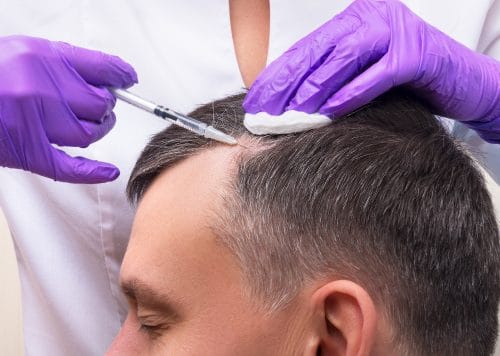
PRP therapy starts by drawing a small amount of your blood, a process that feels much like any standard lab test. The blood is then placed in a centrifuge, where it is spun to separate the platelets from other components and concentrate them. These platelet-rich growth factors are carefully administered into the scalp using a very fine needle. The treatment works to reactivate hair follicles, resulting in stronger, fuller, and more resilient hair over time.
Who Can Benefit from PRP Hair Restoration in Dunwoody?
PRP therapy is suitable for individuals noticing thinning hair or the initial signs of hair loss. In Dunwoody, patients choose this treatment to enhance hair density and protect existing hair from further thinning. The procedure naturally stimulates dormant follicles, making it a non-invasive alternative for hair preservation and regrowth.
What to Expect During Treatment
PRP appointments generally require 60 to 90 minutes, making them convenient for those balancing work, family, or other commitments. Following the treatment, there is minimal disruption, and daily activities can be resumed immediately. Achieving the best results often involves a series of sessions scheduled three to four months apart. The total number of treatments will be tailored to your specific level of hair thinning and individual goals for hair regrowth.
PRP HAIR RESTORATION

Frequently Asked Questions
What exactly is PRP?
PRP, short for platelet-rich plasma, is a vital element of your body’s healing machinery. Plasma carries nutrients and removes waste from cells, while white blood cells protect against infection. Platelets stand out for their ability to deliver growth factors that trigger repair processes whenever tissue is injured. This makes platelets essential to your body’s ability to heal naturally.
In the context of Hair Restoration Therapy, PRP uses your own concentrated plasma to rejuvenate hair follicles. When injected into the scalp, it stimulates follicle activity, boosts collagen levels, and promotes stem cell activity. The result is increased hair thickness, density, and a more robust hairline.
The best part?
PRP therapy uses your own cells, so the risk of allergic reaction is virtually nonexistent, making it a safe, natural approach to improving hair growth.
Is this treatment for men or for women?
Hair loss affects both men and women in Dunwoody, and although the ways it appears may vary, the emotional toll is similar. Many clients describe feelings of stress, embarrassment, or even helplessness when noticing hair thinning. Research and clinical trials have tested PRP on men and women between the ages of 18 and 72, confirming its effectiveness across ages and genders. Genetics, stress, or other factors may all contribute to hair loss.
Dunwoody clients are most likely to see significant improvement if their hair loss is recent. The sooner PRP therapy is started after thinning begins, the more likely it is that dormant follicles can be stimulated. Individuals with thinning or partially bald areas will benefit the most, as PRP works to thicken and strengthen hair while promoting new growth from follicles that are still viable.
What should I do to prepare?
Refrain from smoking and avoid heavy alcohol use before your appointment, as these can impact both healing and results. It is also recommended not to use hair products like mousse, gel, or hairspray for at least three days prior to your treatment. Arriving with clean hair ensures the scalp is ready for the PRP injections.
Will I immediately see results?
Results from PRP hair restoration take time. Hair grows in cycles, so changes are gradual. Initial improvements may appear after two or three months, with the most noticeable outcomes around six months. Individual responses vary, but most clients report increased hair thickness, density, and overall coverage within a few weeks after treatment.
Will I need multiple treatments?
Treatment needs are individualized, but a standard recommendation is three sessions spaced four to six weeks apart. Some clients may require fewer or additional treatments depending on their hair loss pattern. PRP therapy can safely be combined with topical or oral medications like minoxidil or finasteride for men to support maximum hair growth.
Is it painful? Are there any side effects?
To minimize discomfort, a numbing cream is applied to the areas being treated. The micro-needles are extremely fine, so most clients experience little to no pain. Mild tenderness at injection points is possible but temporary, and serious side effects are rare.
What is the downtime?
There is very little downtime after PRP sessions. Most clients return to their normal activities immediately, though some prefer to rest for a day. Any redness or sensitivity usually fades quickly, allowing clients to resume their usual routines without interruption.