If you are dealing with hair thinning or gradual hair loss, PRP hair restoration could be the treatment to jumpstart hair growth. Residents in Brookhaven often turn to this procedure to regain confidence and restore a more youthful appearance.
Blood is mostly liquid, called plasma, but it also carries red blood cells, white blood cells, and platelets. Platelets are often associated with clotting, yet they also contain important growth factors capable of promoting tissue repair.
These growth factors are fundamental to regenerating hair and revitalizing weakened or aging follicles. For Brookhaven patients, PRP hair restoration uses these naturally occurring proteins to rejuvenate the scalp and foster hair regrowth, making it a trusted method for long-term improvement.
Platelet Rich Plasma therapy, or PRP, is a cutting-edge hair restoration treatment that draws on the natural healing properties of your blood. The procedure concentrates platelets to five to ten times their usual levels, providing a boost of growth factors to the scalp. PRP helps awaken dormant or weakened follicles and encourages thicker, more resilient, and healthier hair growth.
How Does PRP Work?
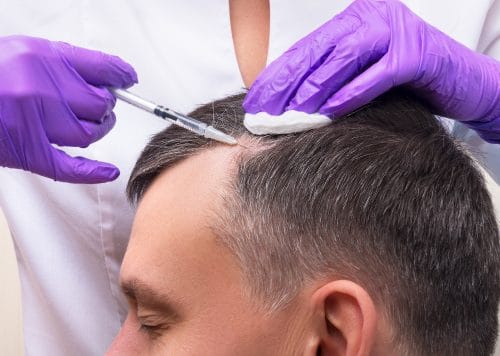
The treatment begins with a simple blood sample, much like a routine blood test you may have had in a medical office. This blood is then processed in a centrifuge to isolate and concentrate the platelets. Rich in growth factors, these platelets are gently injected into targeted areas of the scalp with a delicate micro-needle. The result is the stimulation of hair follicles, leading to enhanced density, improved thickness, and overall rejuvenation of the hair.
Who Can Benefit from PRP Hair Restoration in Brookhaven?
Anyone experiencing early hair loss or gradual thinning may benefit from PRP therapy. Residents in Brookhaven seek this approach to strengthen current hair and promote the growth of new strands. This non-surgical treatment works by activating dormant follicles, providing a natural way to slow hair loss and support a fuller, healthier scalp.
What to Expect During Treatment
A typical PRP session lasts roughly 60 to 90 minutes, providing an efficient option for people with limited time. After your appointment, most clients are able to resume their regular routines the very next day. For maximum benefit, treatments are usually planned in a series every three to four months. The total number of sessions needed is determined by your personal hair loss pattern and desired outcomes.
PRP HAIR RESTORATION

Frequently Asked Questions
What exactly is PRP?
Platelet-rich plasma, or PRP, is a portion of your blood that contains highly concentrated platelets, essential for the body’s natural repair process. Along with white blood cells, plasma transports nutrients, oxygen, and waste throughout the body. Platelets carry growth factors that signal cells to repair and regenerate damaged tissue. When your body experiences an injury, platelets release these proteins to facilitate healing from the inside out.
In PRP Hair Restoration Therapy, this rich plasma is injected into the scalp to stimulate dormant or weakened hair follicles. It encourages the production of collagen and activates stem cells, supporting thicker, denser hair growth. Over time, repeated treatments can improve overall hair coverage and vitality.
The best part?
Because PRP comes directly from your own blood, it is highly biocompatible, meaning allergic reactions or adverse responses are extremely unlikely. Patients can benefit from a natural, safe treatment for hair rejuvenation.
Is this treatment for men or for women?
Men and women in Brookhaven can both experience hair loss, and the frustration or embarrassment it causes can be profound. Hair thinning can feel overwhelming, and many clients report that it affects confidence and daily life. Clinical trials have included both sexes, from ages 18 to 72 and older, proving that PRP therapy works across a wide age range. Hair loss can be hereditary, age-related, or triggered by stress.
Clients in Brookhaven who achieve the best results are those who have recently started losing hair. Early intervention provides the highest likelihood of regrowth. Individuals with thinning or partially bald areas are ideal candidates, as PRP injections can rejuvenate weakened follicles, strengthen existing hair, and encourage new growth in areas that still retain some active follicles.
What should I do to prepare?
Prior to your PRP session, it is advised to avoid smoking or heavy alcohol consumption, as these habits can interfere with healing and the effectiveness of the treatment. Do not apply styling products such as gel, mousse, or hairspray for at least three days before your appointment. Come in with freshly cleaned hair to ensure the scalp is properly prepared.
Will I immediately see results?
Patience is key with PRP therapy. Hair growth follows natural cycles, so visible changes typically start appearing after the first two to three months. Peak results are usually observed around six months. While results differ for each individual, most clients notice improvements in hair density, strength, and overall volume within several weeks.
Will I need multiple treatments?
The treatment plan varies from client to client, but generally, a series of three sessions spaced four to six weeks apart is recommended. Depending on the severity of hair thinning, additional sessions may be beneficial. PRP can also complement other therapies such as topical minoxidil or finasteride for men, helping to enhance hair regrowth.
Is it painful? Are there any side effects?
A topical numbing cream is applied to ensure comfort during the procedure. The needles used are very thin, so most clients experience only mild discomfort, if any. Tenderness at the injection sites is possible but usually temporary, and serious side effects are uncommon.
What is the downtime?
PRP requires minimal downtime, allowing most clients to return to their regular activities immediately. Some individuals choose to rest for a short period before resuming work, but generally, there is no significant interruption to daily routines. Minor redness or slight sensitivity at the treated sites is normal and resolves quickly.